StoryTruth helps organizations move from field evidence to communication people can trust. I bring field reality, journalism discipline, and carefully bounded AI assistance into one clear process. People verify the story. A person remains accountable for what gets published.
Built for nonprofit, humanitarian, and institutional communication teams.
“I advise KPY on fundraising and management, so I read Bo's work the way a donor would. Her monthly newsletter reports on vulnerable families in rural Cambodia honestly and respectfully — what changed, what it took, and what a family's own effort made possible — celebrating their dignity in overcoming significant odds without the exaggeration that makes experienced donors stop giving. She carries the writing, editing and design end to end while helping our small team understand how to tell a meaningful story. For an organisation that raises money through GlobalGiving, that standard of reporting is not decoration. It is the fundraising itself.”
Tim AmstutzAdvisor to KPY (Koampia Phum Yoeung Organization), CambodiaKPY website ↗
Watch
A film made the StoryTruth way
The narration is AI. I say so. The field footage is real, and every claim traces to a source. Watch the method explained in 90 seconds.
A field story from Preah Vihear, Cambodia — reported and written by Botumroath LeBun for UNICEF Cambodia. Of every 100 children with disabilities in Cambodia, only 20 are in school. Piseth is one of them.
The Road to Piseth: Piseth, 16, crosses mud roads and a plank bridge to reach school in Preah Vihear, Cambodia. The first child in his village to hold a disability card, he is one of only 20 in 100 children with disabilities in Cambodia who are in school.
Do Your Donors Trust You?
A StoryTruth™ film by BoComm: why verified stories raise more money.
In the Field: How I Report a Story for UNICEF Cambodia
A short look behind the scenes at the seeing and listening that come before the writing.
Come with me into the field. I speak in Khmer. In my own words: “My name is Botumroath. I am in the field. I work as a writer for UNICEF Cambodia, and right now I would like to invite you to look behind the scenes of how I work in the field as a writer and reporter.”
Filmed in 2025 at a rural school in Preah Vihear, Cambodia, where Long Piseth, whose story I reported for UNICEF Cambodia, is a student. Field reporting is where every story I write begins—in the classroom, on the dirt road, sitting with families and listening first. The writing comes after. This is a small look at that first part: the seeing, the listening, and the care it takes to tell a child's story truthfully and with dignity.
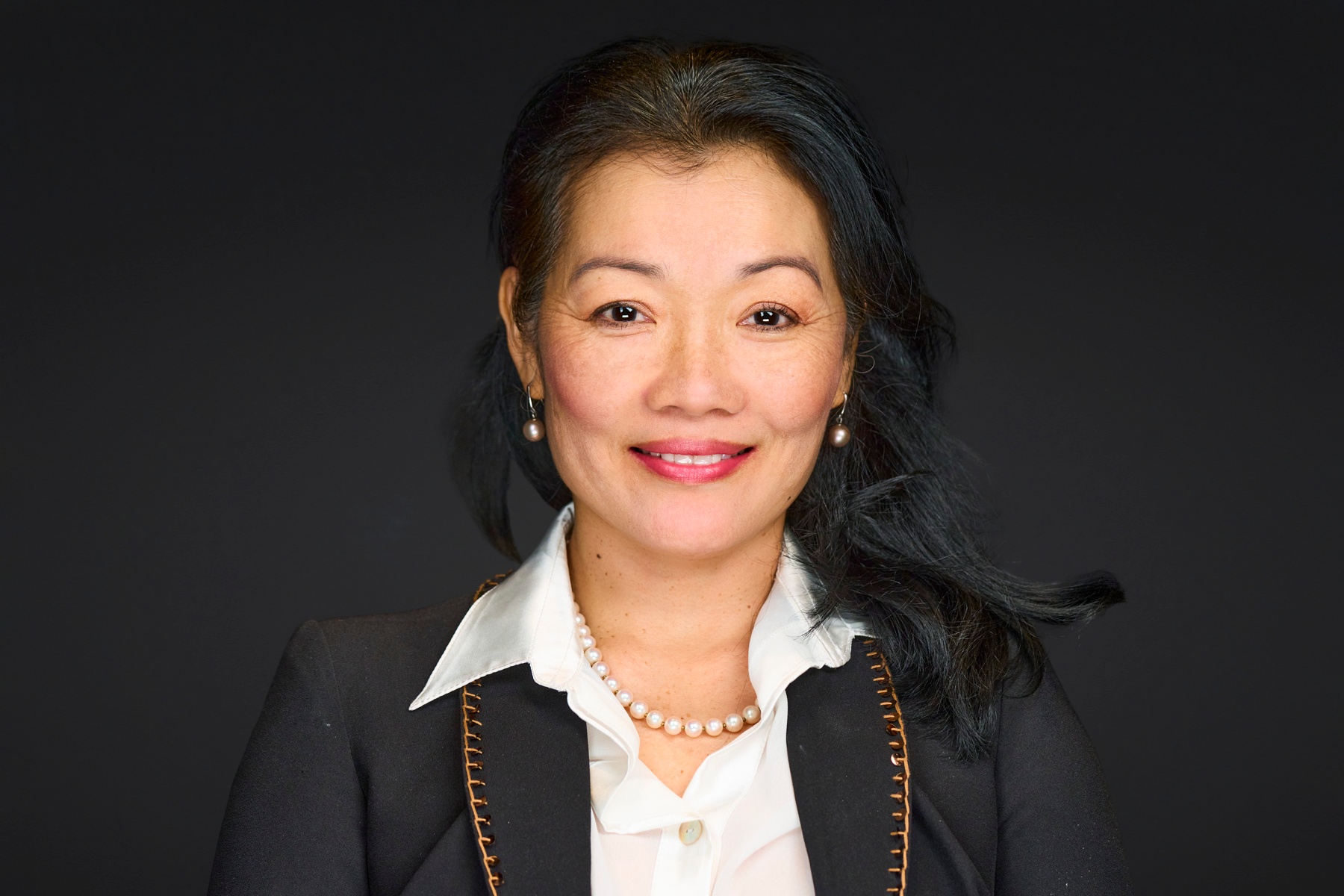
I am Botumroath “Bo” LeBun, a journalist and writer with twenty years of field reporting in Cambodia, now founder of BoComm and creator of StoryTruth, my approach to ethical storytelling: AI can scale content. It cannot verify truth. Filmed in Preah Vihear, Cambodia, 2025. Spoken in Khmer; English summary above.
Your team has evidence. Does it survive the journey to publication?
Field notes, interviews, and program records hold the details that make a story credible. Under deadline, those details can lose their source, context, or human voice as they move into reports and public content.
StoryTruth gives teams a practical way to carry evidence through the editorial process—so readers can understand what happened, how we know, and what remains uncertain.
A strong story does more than sound convincing. It shows what it is built on.
The StoryTruth method
Three disciplines. One accountable process.
I make the path from source material to published communication easier to see, review, and repeat.
01
Field reality
Begin with direct observation, records, and people’s own words. Keep the source and context attached to each important claim.
02
Journalism discipline
Check facts, separate evidence from interpretation, name gaps, and review for accuracy and dignity—including with participants when appropriate.
03
AI assistance
Use AI to sort material, improve structure, and edit. It does not witness events, verify claims, or take responsibility for publication.
The rule is simple: AI may help with the words. A human checks the facts, approves the story, and owns the decision to publish.
The full method runs in seven moves: Step 0, Enter with Intention — then See the Whole Person, the Subject Carries the Story, Context Protects Truth, Name the Gap, Preserve Dignity, and Verify and Validate.
A partner’s perspective
Trust is built in the details.
Laura’s words reflect her experience working with Bo on student and graduate profiles for Global Children Cambodia. They speak to the reporting practice behind StoryTruth.
“Our donors give $5,000 a year to sponsor a student's education, and they give it on trust: most will never meet the young person they sponsor. Bo's storytelling protects that trust. Her student and graduate profiles tell the truth about our students' lives — their families, their circumstances, their results — with dignity, so donors can see exactly what their money makes possible. She writes like a journalist and delivers like a partner: on brief, on time, every issue.”
A practical editorial approach for teams that need to explain real work clearly and responsibly.
Nonprofits & humanitarian teams
Build donor stories and program communications from verified experiences, not inflated claims or output lists.
Health & public service
Shape patient and community stories with care for consent, context, privacy, and the limits of what can be claimed.
Institutional communication
Give communication and program teams a repeatable way to review evidence before publishing reports, campaigns, and public stories.
Start with one real challenge
Test the process on a story your team needs to get right.
A focused pilot can map one workflow, trace claims back to evidence, and leave your team with a practical review guide it can use again.
The StoryTruth Pilot — $2,500, fixed fee, two weeks. Bring one story your team needs to get right. The pilot delivers: (1) every factual claim in the story mapped back to its source; (2) a consent and dignity review; (3) the gaps and unsupported claims named in writing; (4) a corrected, publication-ready draft signed off by an accountable human editor; and (5) a short review guide your team keeps and can use on the next story. If the pilot earns its place, it can grow into team training and a licensed StoryTruth toolkit.
I have spent 20 years working in communications and storytelling, including field-based work in Cambodia. That experience taught me that the detail behind a story matters as much as the words used to tell it.
In work connected to UNICEF Cambodia, I was part of a wider team whose communications and fundraising efforts helped mobilize approximately €500,000. It was a collective result; I do not claim sole credit. StoryTruth grows from the same conviction: credible communication starts with evidence, care, and clear responsibility.
UNICEF Cambodia experience
“Botumroath contributed significantly to translating social policy priorities into clear, human-centred narratives that supported advocacy, fundraising, and programme visibility. Her human-interest storytelling helped draw attention to inclusive social protection and disability inclusion, including the story of Long Piseth… This story contributed to increased external media interest, including follow-up reporting by a German newspaper… As part of broader, collective communication and fundraising efforts, Botumroath’s storytelling supported successful resource mobilisation for the country programme…”
Dr. Lisa-Marie Ouedraogo-WasiChief of Social Policy, UNICEF Cambodia · Read the UNICEF story ↗
This statement reflects Bo’s UNICEF work and broader team results. It is not an evaluation of StoryTruth.
The StoryTruth verification checklist
Before a story is published, a person on the team confirms each of these:
Every factual claim is mapped to its source — a note, a recording, a document, a named witness.
Names, dates, places, and numbers are checked against the source, not against memory.
The subject has consented, and the consent covers this use.
The story leads with who the person is, not only with what they lack.
What is not known is named as not known. No gap is filled by invention.
AI, if it was used at all, was used after the reporting — to organize and edit, never to witness or verify.
A named human editor has read the final draft and approved it for publication.
Get occasional notes on putting this into practice — join the StoryTruth newsletter below.
StoryTruth newsletter
Stories, evidence, and the care behind what we publish.
Occasional notes on human-led storytelling, field evidence, ethical practice, and responsible AI for teams whose communication needs to earn trust.
Bring one real trust challenge
Let’s see what your evidence can support.
Tell me what your team is trying to communicate and where the process gets difficult. We can start with a working conversation about a focused pilot.
A practical first conversation.
No pitch deck required. Bring a real workflow, a draft, or a question your team is trying to answer.